Launch post · From the kitchen
Against the stale aisle.
A grocery pastry is designed to survive a supply chain. Ours is designed to survive a car ride. That single difference decides the recipe, the schedule, the radius and the price.
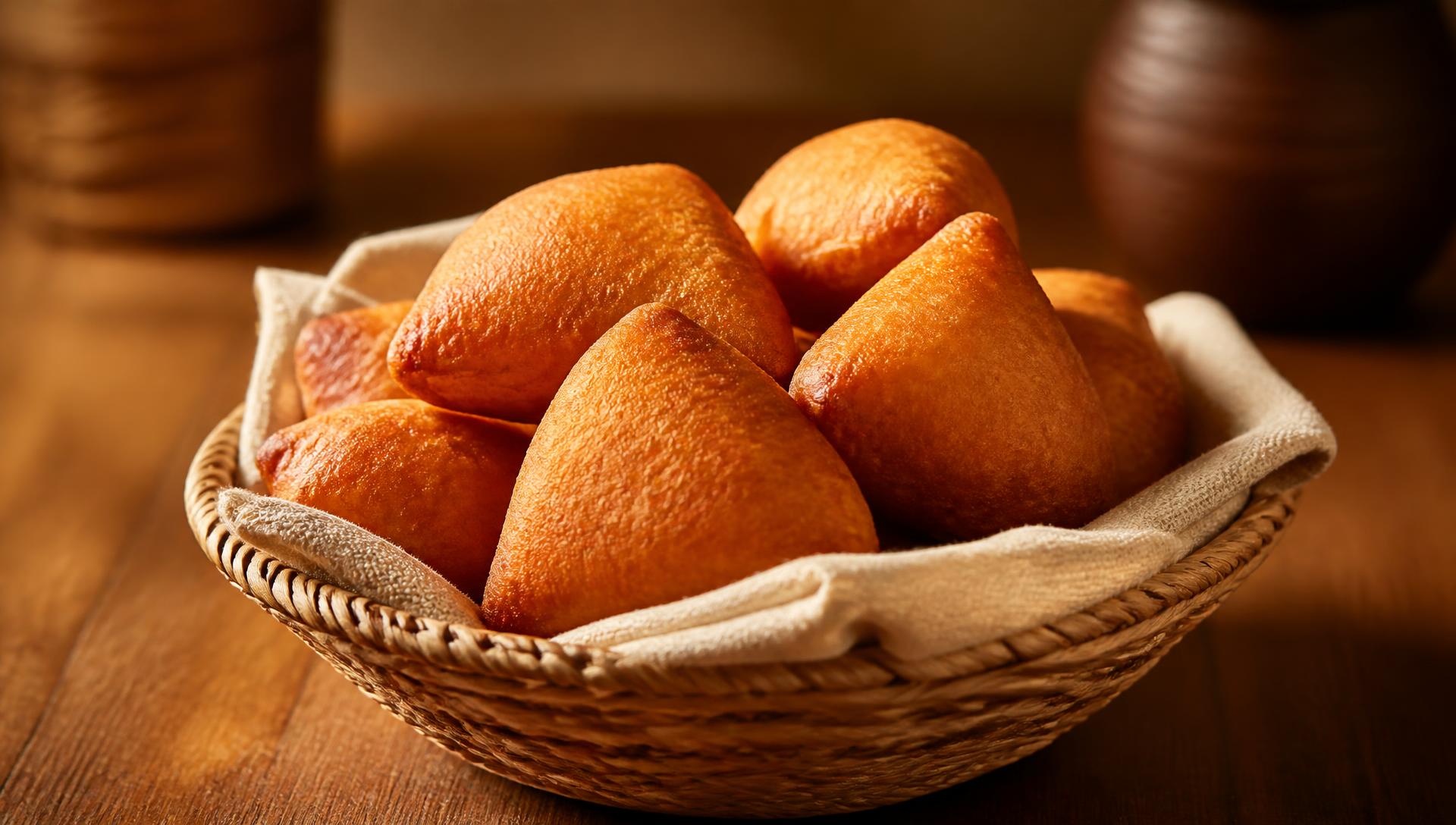
Walk down the snack aisle of any supermarket in Georgia and pick up a pastry. Read the back of the bag. The ingredient list will run past twenty items, and most of the last ten exist for one reason: to hold the product together across three months of warehouse, truck and shelf. Mono- and diglycerides keep the crumb soft. Calcium propionate holds off mould. Modified starch replaces the moisture that freezing took out. None of that is a scandal. It is engineering, and the problem it solves is distance, not flavour.
We are taking the opposite position, and we want to be blunt about it. Mama Gia's African Mandazis exists because a mandazi is at its best for about six hours and nobody in the packaged-food economy is willing to build a business around six hours. The dough is flour, coconut milk, sugar, cardamom and yeast. It is mixed, proofed by touch, cut, fried and packed in a single morning, and it is in your hands before lunch. There is nothing in it to keep it alive on a shelf, because it is never going to see one.
The three constraints we chose
Three fry days a week. A fixed batch size per day. A ten-mile driving radius from Tucker. Each of those is a ceiling on revenue, and together they are the reason the food is good. Freezing dough would let us take orders seven days a week and hold stock for demand spikes, and it would make the crust leathery. Widening the radius to fifteen miles would roughly double the addressable households, and it would put the last box on the route into a customer's hands lukewarm, which would turn the Fresh-or-Free guarantee into a liability rather than a promise.
People assume constraints like these are temporary, a phase before the real business shows up. They are the business. The moment we relax any one of them we are competing with the aisle on the aisle's terms, and the aisle wins that fight on price every single time.
Why the margin math works locally
Here is the part most food businesses will not put on a website. Selling a $25 box direct to a household ten miles away leaves us with roughly a 45% margin after ingredients, packaging, fuel and the card processing fee. Selling the same food through a retailer would put a distributor and a grocery buyer between us and the customer, each taking their cut, and the same box would need to retail near $40 to leave us with half of that 45%. It would also need to survive a week on a shelf, which brings back every preservative we just refused to use.
A 45% margin on a small volume is a living. It pays one cook properly, funds the van, and leaves enough that a cold box can be refunded in full without an argument. It is also why we can charge $15 for The Taster: we are not funding four intermediaries out of that price. Local-first direct-to-consumer is not a slogan here, it is the only structure where these numbers close.
What you get out of the trade
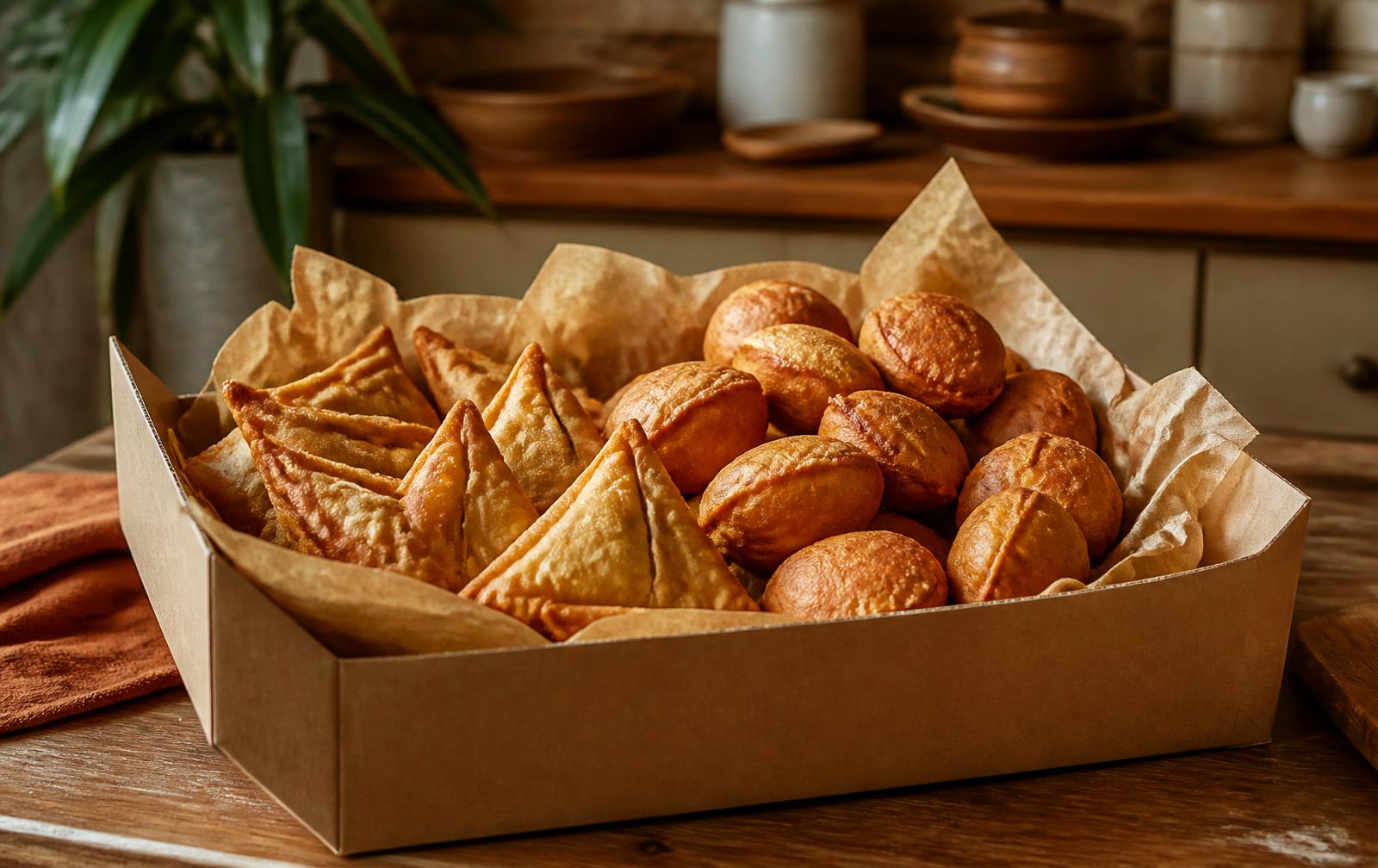
You give up convenience. You cannot order at 11pm on a Tuesday and eat at noon on Wednesday, because Tuesday is not a fry day. You have to plan around Wednesday, Friday and Sunday, and you have to live inside ten miles of Tucker. In exchange you get a mandazi that is airy in the middle and crisp at the edge, a samosa whose corners hold, and a person whose name you know standing behind the guarantee.
That is the whole pitch. Not a healthier snack, not a reinvented pastry, not a new category. The same food East African households have eaten with morning tea for generations, cooked properly, at the scale one kitchen can manage, and handed over while it is still warm. If the aisle could do that, we would not need to exist.
Test the argument with your own mouth
The Taster is $15 and exists precisely so the first box costs less than an argument about ingredient lists.